AI-Assisted Creative Development
Accelerating Creative Direction Under Pressure
Example: Q4 2025 Paid Creative
Q4 Holiday Campaign A cinematic holiday campaign built on one insight: smart kitchen tech isn't the gift — time is. AI accelerated every phase of development — from testing emotional directions and exploring visual tone (warm holiday glow, magical realism, premium cinema) to generating scene compositions, lighting studies, and camera motion prompts.
The narrative arc moved from holiday chaos to smart harmony to a shared table, with AI-generated voiceover variations tested across multiple tonal registers. What would have taken weeks of traditional pre-production compressed into days — delivering a 20-second storyboard, scene-by-scene prompts, VO scripts, hero frames, and a full Premiere Pro transition system optimized by channel. Human creativity shaped the story; AI amplified the possibilities.
Curious Refuge AI course assignments — applied to holiday advertorial content
Challenge
During Q4 2025, Anova Culinary faced its most demanding commercial window.
The team needed to support aggressive paid spend across multiple products — Precision Oven, Sous Vide, and Chamber Vacuum Sealer — while maintaining premium brand standards and responding to performance signals in real time.
The bottleneck wasn't budget or ideas — it was creative velocity. Traditional production timelines couldn't support the required pace, breadth, or mid-flight adaptability.

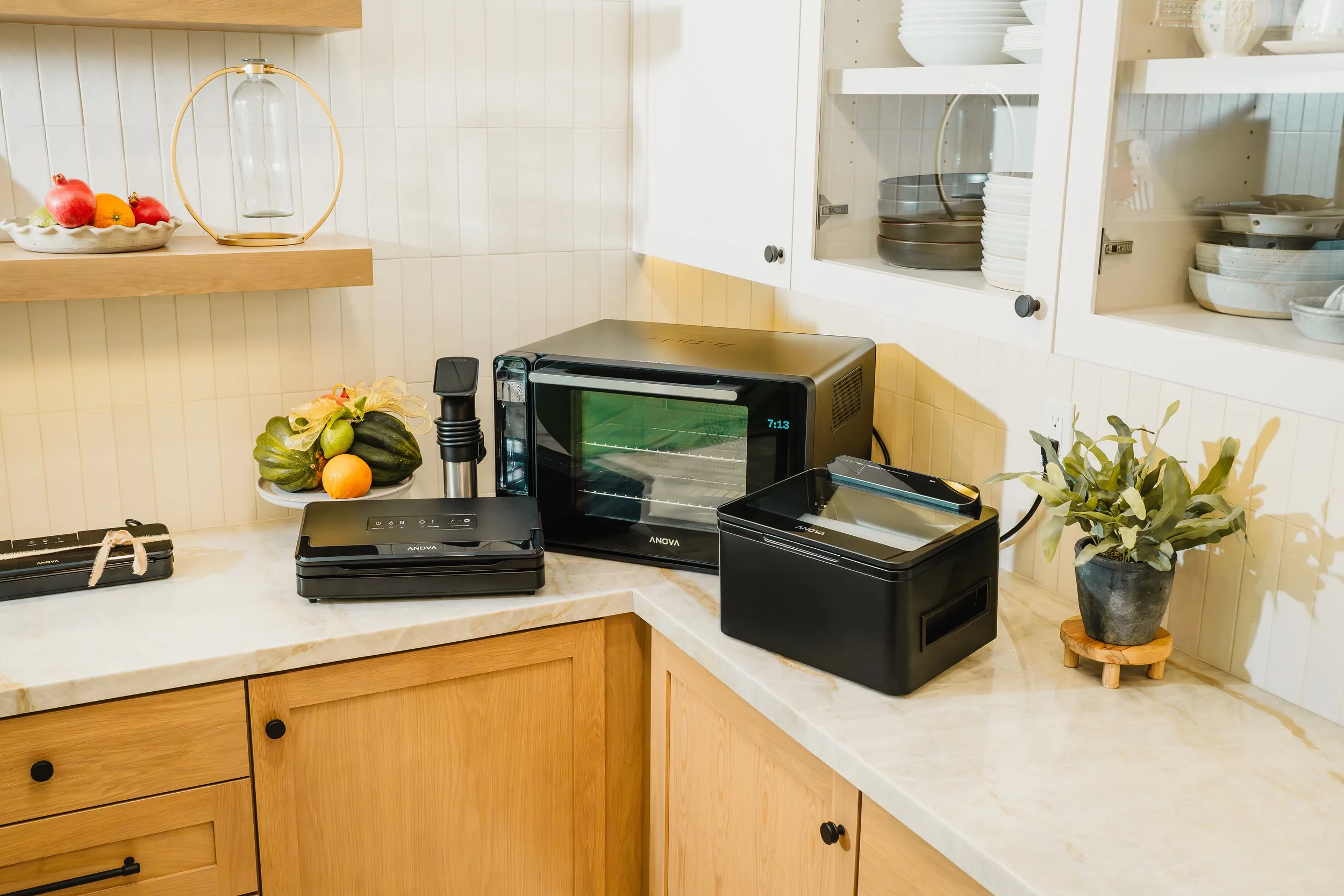
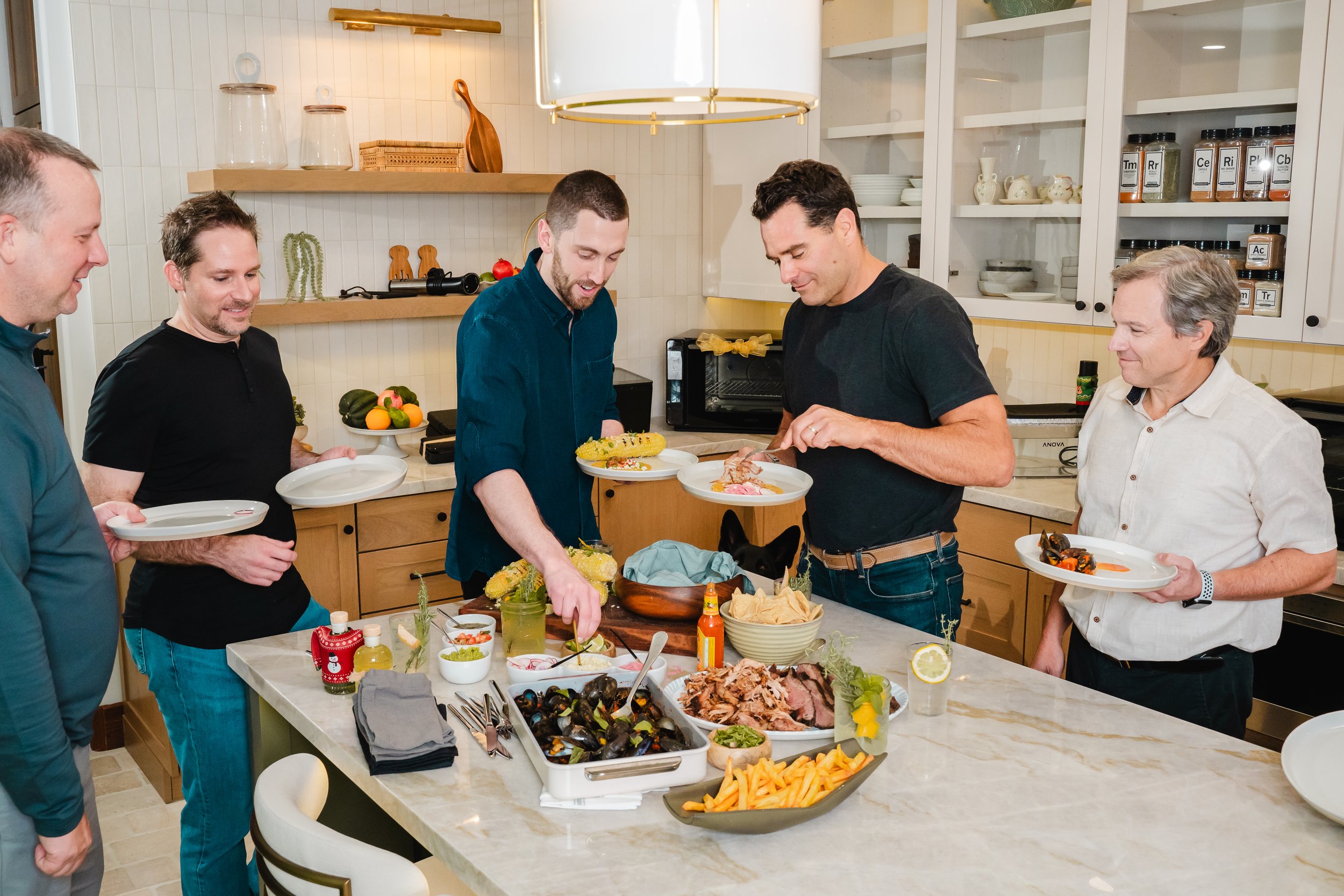
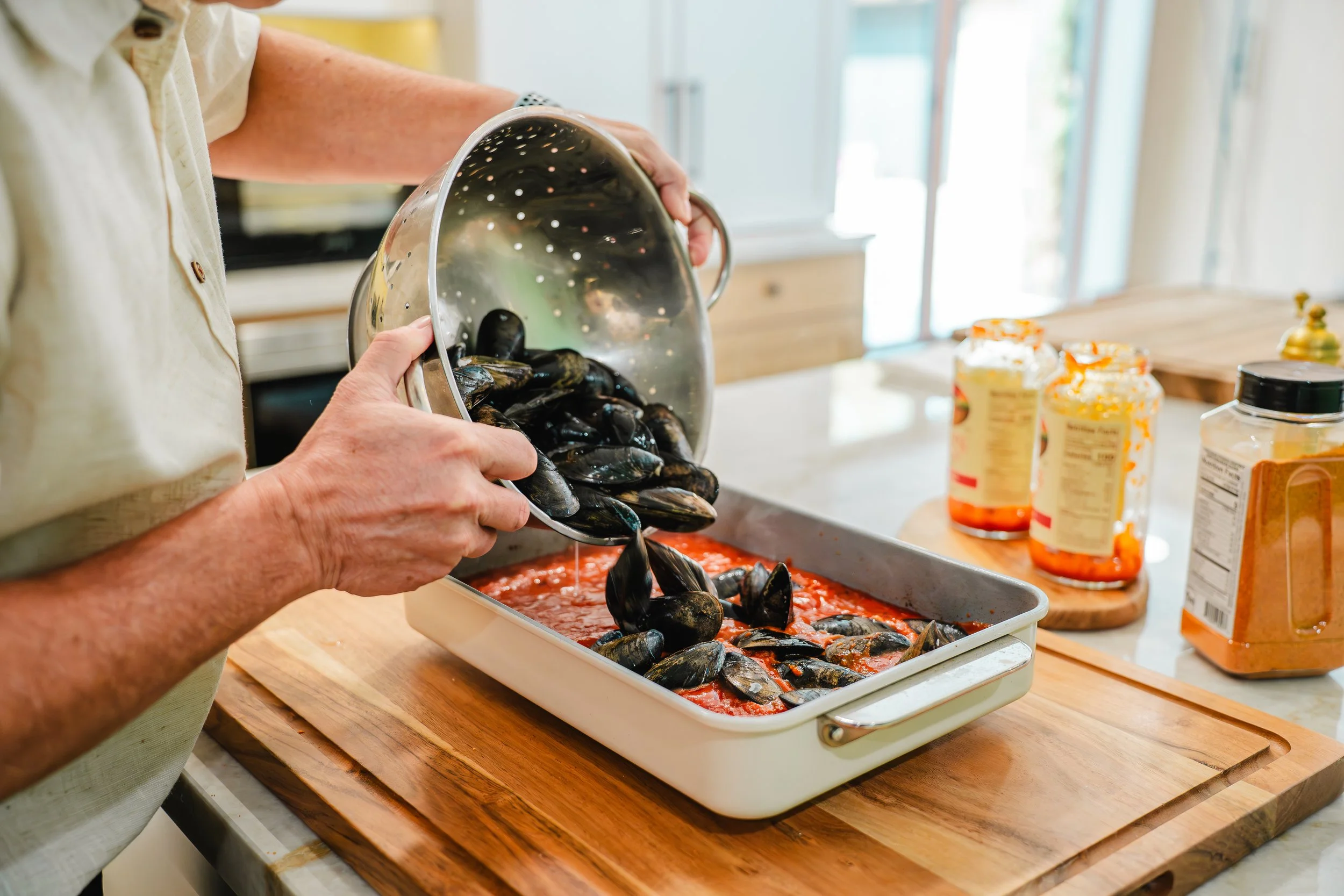
Source photography — repurposed for AI-assisted ad development
My Role
Led creative direction for AI-assisted ideation, development, and production workflows
Defined where AI accelerated exploration and where human judgment remained essential
Integrated AI outputs into collaboration loops across creative, paid media, and lifecycle teams
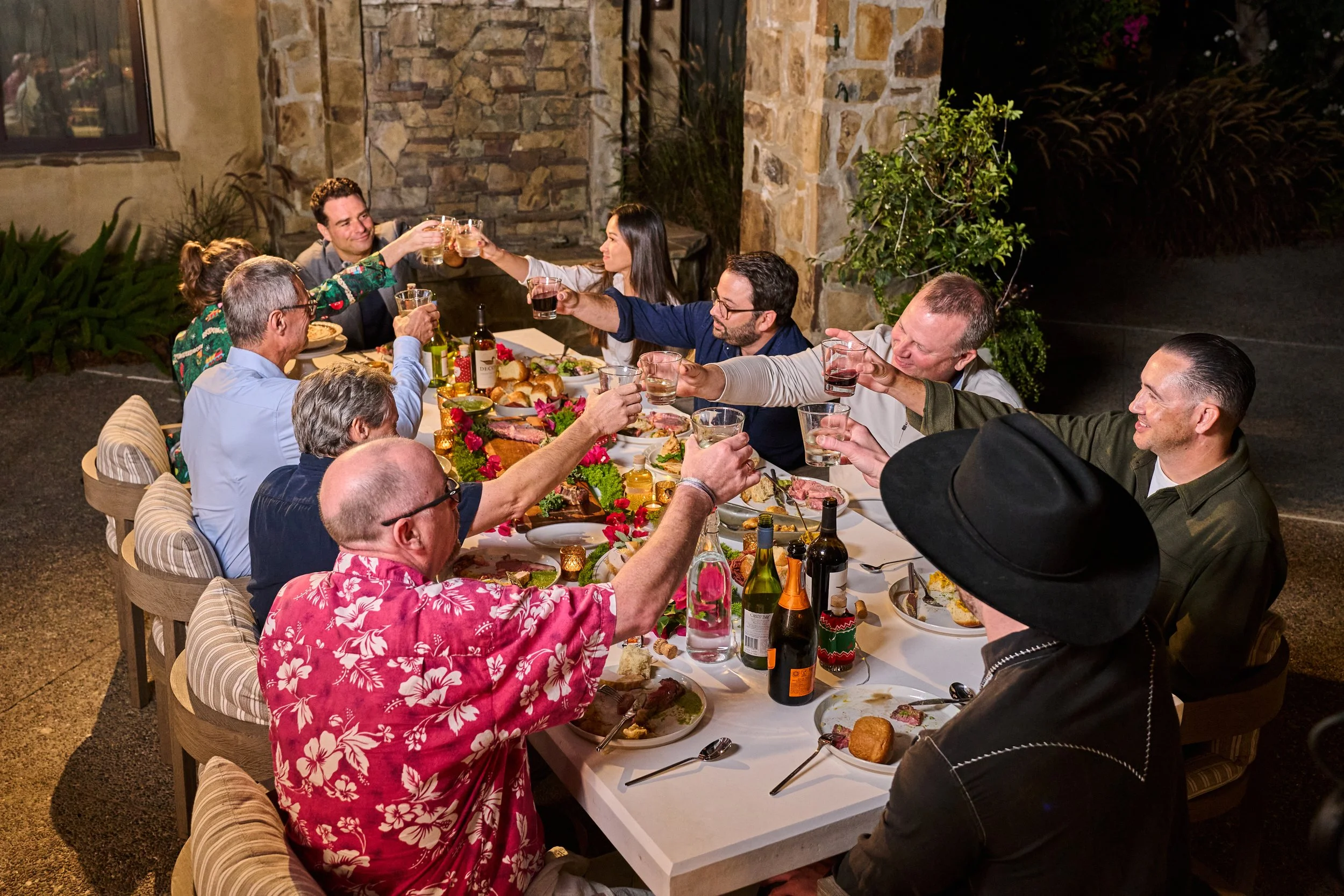
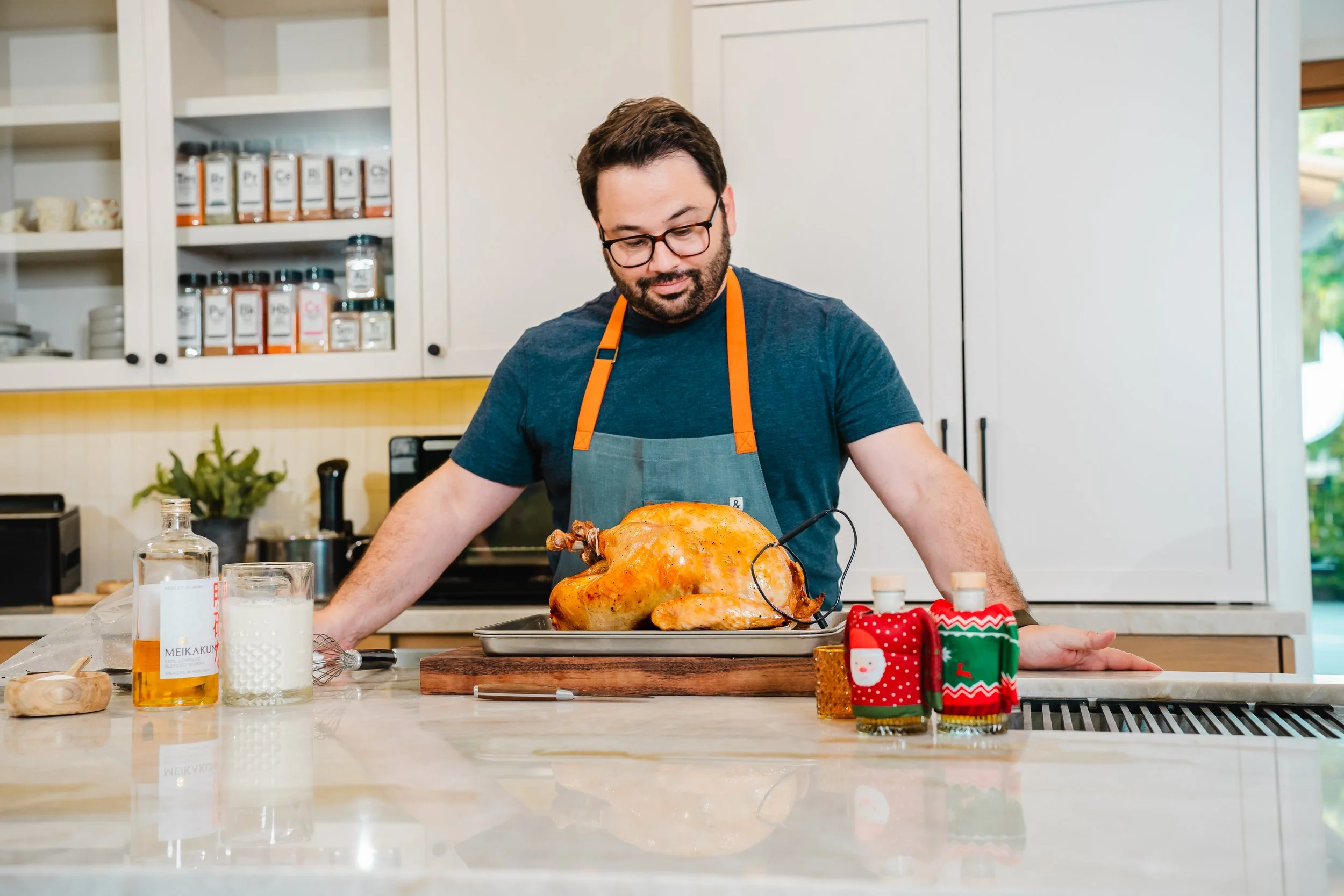
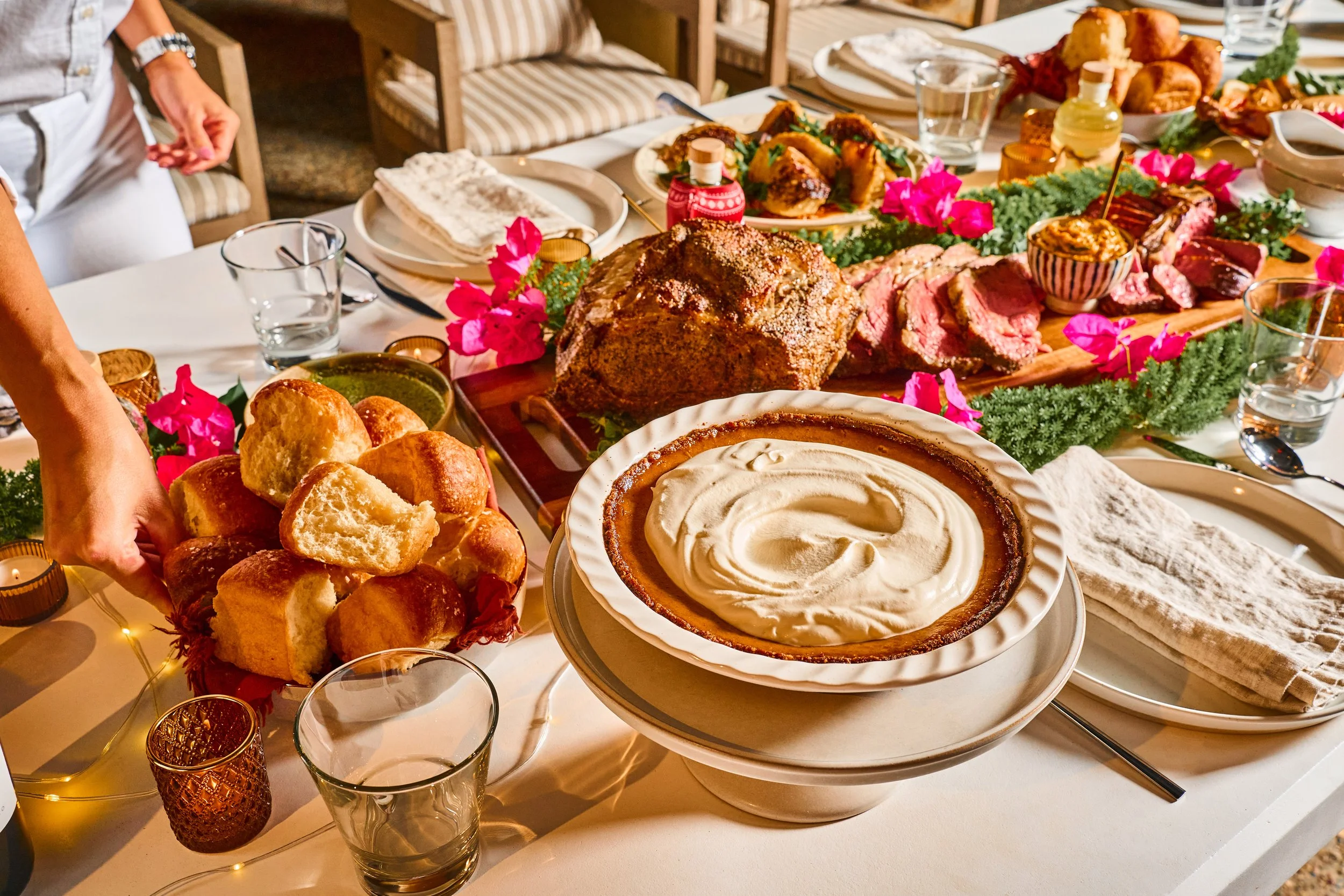
Holiday source photography — AI-extended for Q4 campaign
What I Built
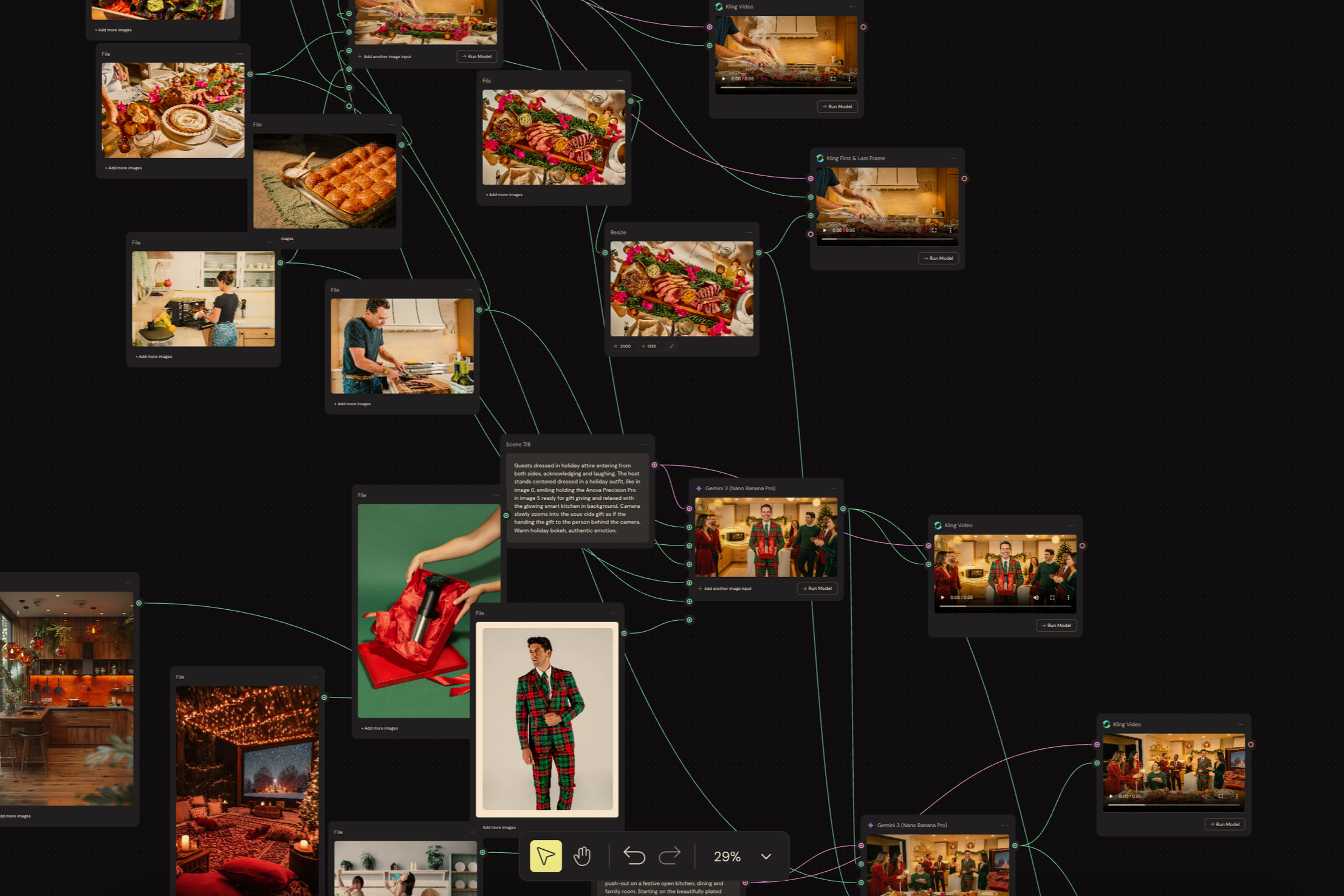
An AI-embedded creative workflow that accelerated decision-making without diluting brand quality:
Rapid exploration of tone, framing, and narrative angles before committing to production — reducing waste and rework
Prompt-based scene structures and messaging variants stress-tested against performance hypotheses
Faster iteration loops between creative, paid, and lifecycle teams during peak spend windows
Hybrid production pipeline using AI for visualization, voiceover drafts, and script development — with human direction at every gate
AI pipeline — visualization (image-to-video), voiceover, and script development tools
Results
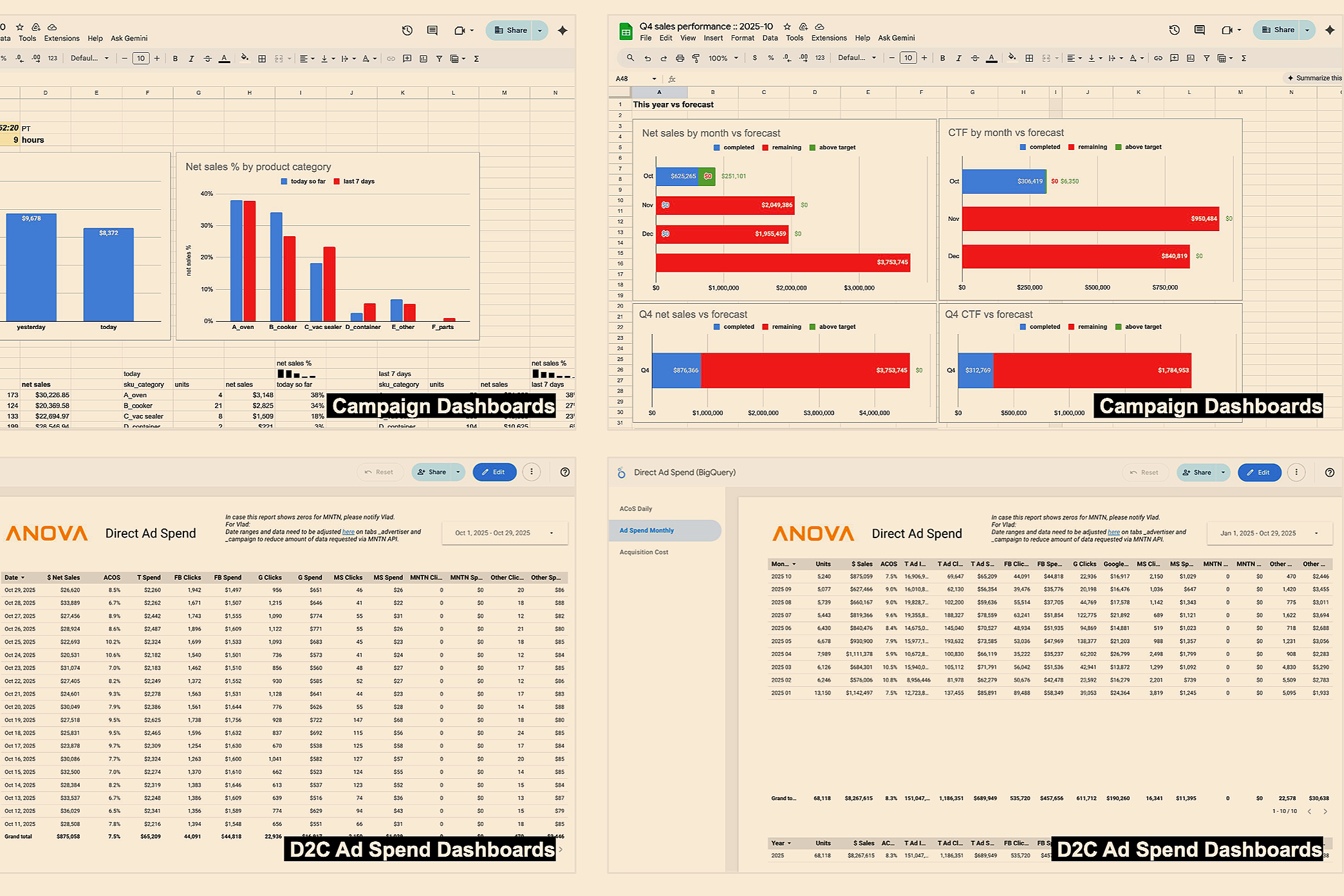
5.0 average ROAS across Meta — maintained through both evergreen and promotional phases
Efficient CPA even as spend scaled significantly during holiday peaks
Faster concept validation before production investment — reduced turnaround during high-pressure windows
Greater creative breadth without linear increases in cost or headcount
The Takeaway
AI delivers its greatest value before decisions are locked — not after assets ship. When guided by strong creative leadership, AI accelerates clarity, not just output, and can be safely integrated into premium brand environments at scale.
Performance tracking — Q4 2025 campaign results